
Alen For Business
Take Control of Your Air.
Level-Up Your Business.
The only comprehensive air quality program that combines advanced filtration, real-time monitoring, and hands-on management into one seamless point of contact.
Talk with an air quality expert today!
The Alen Advantage
Innovation, Sustainability and Improved Air Quality

Reduced Risk Exposure

Uninterrupted Operations

Seamless Management

Real-Time Data Insights

Innovation & Leadership
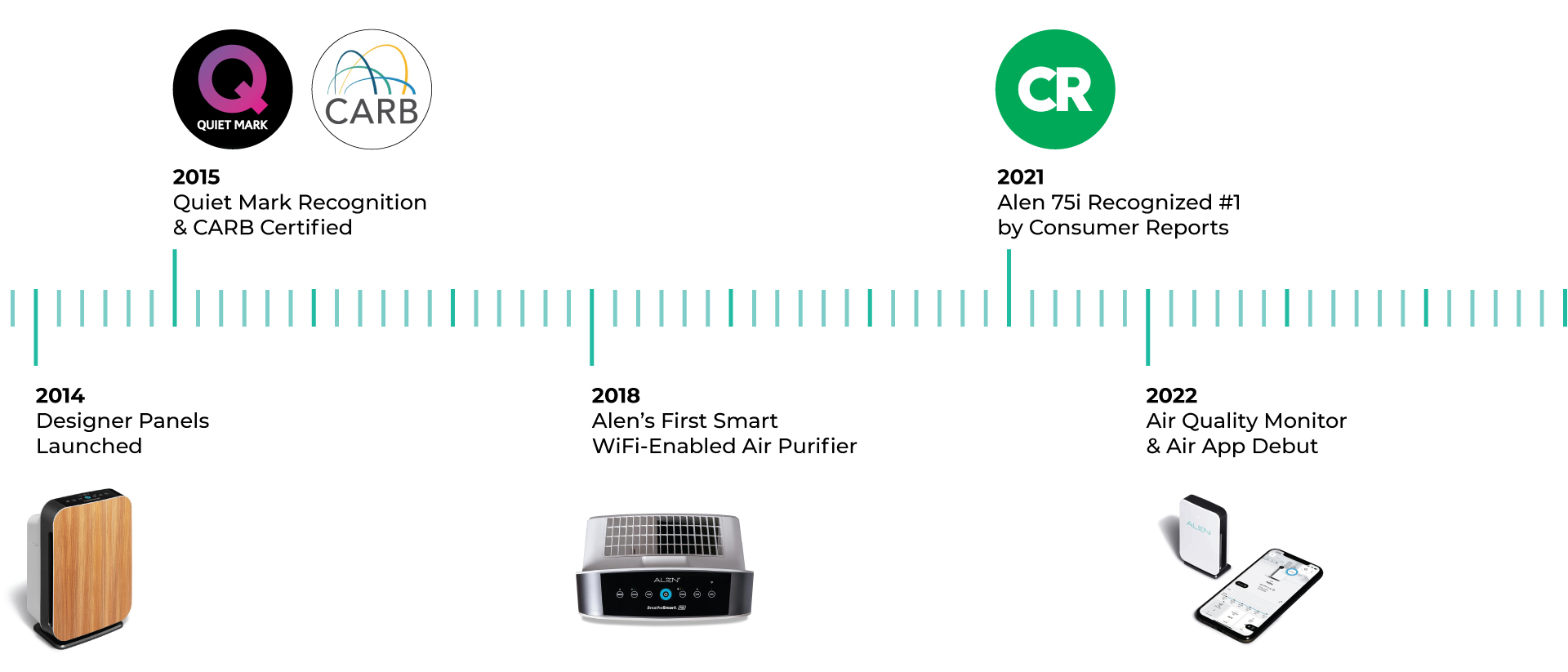
Alen For Business is the most comprehensive air quality solution combining more than 20 years of product innovation with medical-grade HEPA air filters, data-driven insights, operational efficiencies, and is a leader in environmental sustainability.
Why Alen
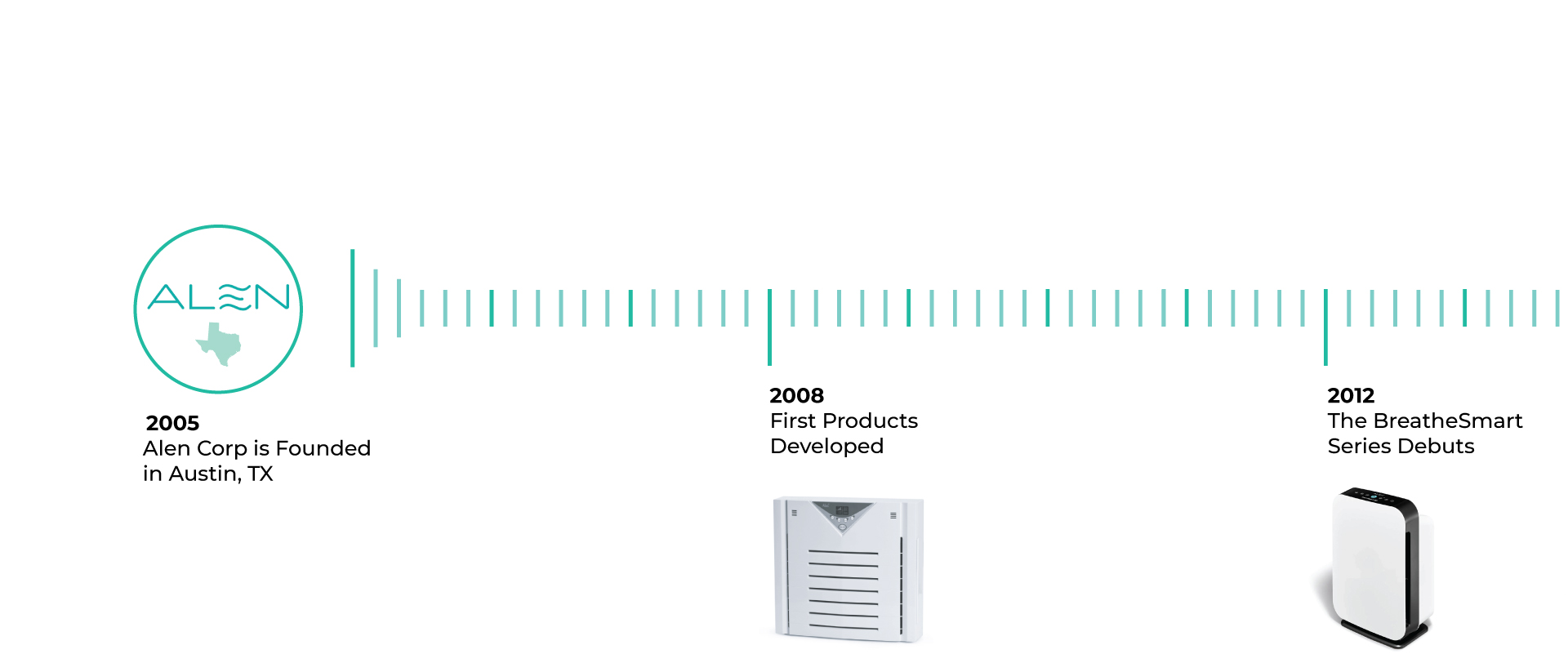
Trusted Air Purification Expertise Since 2005

Alen For Schools
This program helps school districts save money, improve safety, and take control of their indoor air. We deliver operational efficiencies with lower labor and materials costs, while improving environmental sustainability.
Our Core Offerings
A Complete Air Quality System

Coverage

Precision

Proof

Coverage
High capacity filtration across existing HVAC infrastructure for better air building-wide.
A better baseline creates better results overall, and with a wide range of high-capacity filters, you can reduce airborne exposure risks and support healthier spaces for everyone.
Precision
Room-specific air quality refinement where targeted support is needed most
Fine-tune your air where it needs it. Detailed insights allow you to see where corridors are letting in allergens, when large group gatherings are creating a wellness risk, and how to focus your air quality.


Proof
Continuous air quality monitoring and 24/7 visibility empowers you to take control of your air
Better air quality monitoring data helps identify budget efficiencies, reduces labor costs, improves air quality responses, and streamlines operations.
A Trusted Brand
Certified for quality, efficiency, and sustainability.







Reduce Airborne Exposure
The Alen Partnership Program uses high capacity medical-grade HEPA filtration. By continuously removing fine particles from the air, organizations can reduce airborne exposure risks and support healthier spaces for everyone.
Streamline Operations
Easily manage devices and filter maintenance through a centralized system. Teams can track performance, schedule filter changes, and maintain reliable air purification without complicated workflows or manual oversight.
Simplify Procurement
Find budget efficiencies with an easy procurement process, reduce costs with fewer changeouts, and improve efficiency with better data.
Knowledge Center

Air Pollution as a Key Environmental Factor in Parkinson's Disease
When it comes to your family's health, you want to do everything you can to create a safe, healthy home environment. The good news is that you have more control over your indoor air quality than you might think.
While research shows a potential link between long-term air pollution exposure and increased Parkinson's disease risk, you can take meaningful action today. Simple steps like using Alen air purifiers and improving ventilation help create cleaner air where it matters most: in the spaces where your family lives, sleeps, and breathes every day.
What is Parkinson’s Disease?
Parkinson’s disease (PD) is a neurological disorder where the brain loses the nerve cells that make dopamine (the chemical that helps us move smoothly). When dopamine drops, people might notice tremors, stiffness, or slower movement, often starting on just one side. It can also bring non-motor symptoms like sleep issues, dizziness, or changes in mood.
Motor Symptoms of PD
Tremors, often starting in one hand or foot
Slowed movement (bradykinesia)
Muscle stiffness or rigidity
Balance and posture problems
Shuffling walk or difficulty starting to walk
Reduced facial expression or softer speech
Non-Motor Symptoms of PD
Cognitive changes
Depression, anxiety, or apathy
Trouble sleeping
Loss of smell
Digestive issues
Dizziness
Urinary problems
The Link Between Air Pollution and Parkinson's Disease
While researchers are still working to establish a direct cause-and-effect relationship, the evidence is compelling enough for you to take steps towards protecting yourself and your family from air pollution. Recent research increasingly points toward a connection between long-term exposure to certain air pollutants and a higher risk of developing PD. One study published in JAMA Network Open (2024) found that exposure to fine particulate matter (PM2.5) and nitrogen dioxide (NO₂) was associated with a higher risk of PD.
Scientists believe these tiny pollution particles might find their way into the brain through your bloodstream or nasal passages. Once inside, they can spark inflammation and stress your cells, potentially altering the dopamine-producing neurons that play a key role in Parkinson's disease.
Key Air Pollutants Associated with Parkinson's Risk
Two primary air pollutants that seem to increase the risk of developing Parkinson’s are PM2.5 and NO2.
PM2.5:Crosses the blood-brain barrier and causes brain inflammation, a process directly implicated in Parkinson's disease development
Nitrogen dioxide (NO₂):Triggers oxidative stress and neuroinflammation that can damage brain cells over time
Pollutant mixtures: Complex combinations of airborne toxins may adversely affect neurological diseases, including Parkinson's, through multiple pathways
Research indicates that long-term exposure spanning 16 to 35 years poses the greatest risk, suggesting that cumulative pollution exposure throughout life significantly impacts neurological health outcomes.
Thankfully, there are plenty of ways for you to control your indoor air and create a safe, healthy environment for you and your loved ones.
Keeping Your Family Safe: Risk Prevention Strategies for Air Pollution
Even modest improvements in your indoor air quality can provide significant health benefits. By reducing exposure to environmental toxins (like air pollution), you could potentially prevent Parkinson's disease. Research suggests that improving air quality could delay Parkinson's onset and improve patient outcomes. From personal protective measures to community advocacy, you have an abundance of pathways to keep you and your family safe.
What You Can Do Now: Personal Protective Measures
While no single action can completely eliminate risk, small daily choices can meaningfully lower the pollutants you breathe and strengthen your overall well-being. These personal protective measures offer simple, manageable ways to create a cleaner environment for your loved ones.
Create Your Own Utopiair™with Alen Air Purifiers
Alen home air purifiers are designed with medical-grade HEPA filtrationto capture 99.9% of air pollutants, including the fine particles that are linked to neurological stress, inflammation, and PD. Placing these units in high-use areas, like bedrooms and living rooms, can provide consistent filtration throughout the day.

Block Outdoor Pollutants and Control Ventilation
It’s very helpful to seal the small gaps around windows and doors so that polluted outdoor air can’t enter your home. Plus, adjusting ventilation times to periods of lower pollution and using heat recovery ventilators can further improve air exchange without bringing in contaminated air, helping maintain a cleaner and more stable indoor environment.
Avoid High Concentrations of PM2.5 and NO2
Gas stoves, candles, and smoking all release PM2.5 and NO2 indoors, but you can manage this by using exhaust fans, opening windows, or considering electric alternatives. Think about the sneaky sources, too. Dust isn't just dust, it can carry heavy metals and outdoor residue, while your pets might bring in chemicals like lawn treatments on their paws.
The good news is that a few easy habits make a big difference. Regular vacuuming with a HEPA filter, using your Alen home air purifier, wiping surfaces with a damp cloth, and leaving shoes at the door all keep these unwanted particles from building up in your home.
Avoid High Air Pollution Areas and Industrial Zones
Spending time in areas with heavy vehicle exhaust or industrial activity can increase exposure to airborne pollutants associated with neurological decline. So, try to stay away from major roadways and monitor local air quality reports to guide your outdoor activities.
Highlights:
Create your Utopiair™ with Alen home air purifiers
Seal windows and doors to block outdoor pollutants
Control ventilation to limit polluted air entry
Reduce exposure to indoor pollutants
Avoid high-traffic areas and industrial zones
Check air quality forecasts and adjust habits accordingly
Reduce overall pollution by switching to electric alternatives
U.S. Regions with the Most Air Pollution and Environmental Toxins
To stay safe, it’s important to know if your city or town has higher levels of air pollution and environmental toxins so that you can take further protective measures.
New research at Barrow Neurological Institute has found that people who live in areas with median levels of air pollution have a 56% greater risk of developing Parkinson’s disease than those in regions with lower levels of air pollution.
When researchers mapped out where Parkinson's cases are most common, they discovered clear patterns. Certain regions like the Mississippi-Ohio River Valley, central North Dakota, and parts of Texas and Florida show higher concentrations of cases, and these areas also tend to have elevated air pollution levels. This connection tells us that where you live and what you breathe matter more than we might have thought.
If you live in a region of the U.S. with high levels of air pollution, you may want to take more precautions than those who live in areas with lower levels. This might include running air purifiers continuously, checking local air quality indexes before opening windows, and creating a clean air sanctuary in your bedroom where you spend a third of your day.
Who Is Most Likely to Get Parkinson's Disease?
The most significant risk factor for developing Parkinson's disease is advancing age, with the average age of onset typically around 60. While the exact cause remains unknown for most cases, it is believed to be a complex interaction between genetic and environmental factors.
Key Risk Factors for Parkinson's Disease
Age:The risk increases notably with advancing age, with the majority of diagnoses occurring after age 60.
Gender:Men are more susceptible to developing the condition than women.
Genetics:Having a first-degree relative (parent or sibling) with PD increases the risk.
Environmental Factors:
Air Pollution:Long-term exposure to fine particulate matter PM2.5 and NO2 is increasingly recognized as a significant risk factor.
Chemicals:Ongoing exposure to certain environmental agents, like pesticides and herbicides, may slightly increase the risk.
Head Trauma:A history oftraumatic brain injuryhas also been identified as a potential risk factor.
While we can't control everything on this list, environmental factors like air quality are within your power to manage, making clean indoor air one of the most practical ways to support your neurological health.
FAQs
Can environmental factors like air pollution cause Parkinson's disease?
While scientists are still unsure, the evidence is growing: long-term exposure to air pollution is linked to a significantly higher risk of developing Parkinson's disease. Recent research shows that people in more polluted areas face up to 56% greater risk compared to those breathing cleaner air.
What types of air pollutants increase Parkinson's risk?
Fine particulate matter (PM2.5) and nitrogen dioxide (NO₂) are the primary pollutants associated with increased Parkinson's risk. PM2.5 particles are particularly concerning because they can cross the blood-brain barrier and trigger neuroinflammation linked to disease development.
Are younger people at increased risk to pollution-related Parkinson's?
Some research suggests that adults under 50 may have slightly increased vulnerability to pollution-related Parkinson's risk, though the evidence remains under investigation. Long-term exposure spanning decades appears most significant regardless of age at initial exposure.
Is high air pollution and Parkinson's disease strongly linked?
Research shows a strong connection between air pollution exposure and Parkinson's risk, and scientists are actively working to understand exactly how this happens. What matters most? The evidence is solid enough that health experts already recommend reducing your pollution exposure as a smart way to protect your brain health. You don't have to wait for every answer to start taking positive steps today.
What are the environmental risk factors that can cause Parkinson's disease?
Environmental factors play a meaningful role in Parkinson's disease risk. Exposure to certain pesticides and living in areas with poor air quality have both been linked to higher risk. While researchers are still piecing together exactly how these exposures affect the brain and how they might work together, what's clear is that your environment matters.
Is Parkinson's genetic or environmental?
Parkinson's disease involves both genetic factors and environmental influences rather than one or the other alone. Some people carry genetic risk factors, but most cases do not have clear genetic causes. Scientists generally agree that the disease is a combination of inherited vulnerabilities and life experiences.


Proactive Health Leadership
Move from reactive air management to proactive health leadership. Air quality monitoring (AQM), airID technology, and environmental sensors provide real-time awareness of indoor air conditions. Insights that allow you to identify issues early and optimize air performance.

Build Trust
Transparent air performance and solid sustainability practices builds confidence with employees, customers, and stakeholders.
Request a Consultation
Get a personalized and detailed assessment of your school district's needs, and how Alen For Business can help save you money and streamline your operations.

Online & Phone Operating Hours
Mon to Fri: 8AM–5PM CST